
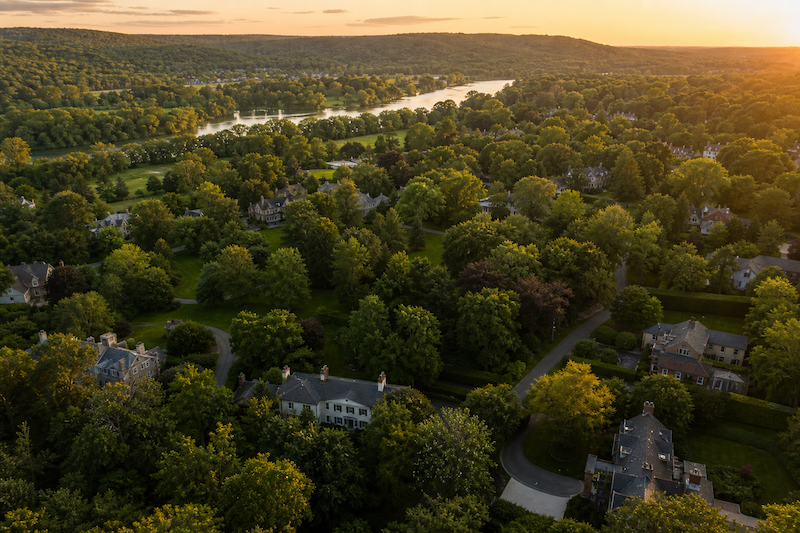
 Brandywine Valley in Delaware is home to some of the most storied luxury estates on the East Coast, shaped by the du Pont family legacy. Historic architecture, expansive grounds, and proximity to Wilmington make this corridor a top destination for high-end buyers seeking prestige, privacy, and lasting value.
Brandywine Valley in Delaware is home to some of the most storied luxury estates on the East Coast, shaped by the du Pont family legacy. Historic architecture, expansive grounds, and proximity to
What makes Brandywine Valley estate homes worth buying in Delaware?
Brandywine Valley luxury homes carry something most markets simply can't replicate: a genuine sense of history layered into the land itself. The du Pont family's presence shaped this corridor over two centuries, leaving behind grand estates, world-class gardens, and an architectural legacy that still defines the region's prestige. For buyers seeking a home that delivers both exclusivity and a connection to something larger, there's no comparable address in Delaware.
The du Pont Legacy and Why It Still Defines This Market
The story of the Brandywine Valley's wealth begins along the banks of the Brandywine Creek. The Hagley Museum and Library sits on the original DuPont powder yards where E.I. du Pont de Nemours built the enterprise that would eventually become one of the most powerful industrial dynasties in American history. That concentration of capital didn't stay in the factory. It spread outward into the surrounding countryside in the form of estates, gardens, and manor homes that still stand today.
The scale of what the family built here is hard to overstate. Winterthur, the former home of Henry Francis du Pont, encompasses a 1,000-acre estate with a world-renowned museum, naturalistic gardens, and a research library. It's not a residential property, but it tells you everything you need to know about the standard of living this valley was built around. When buyers ask me why Brandywine Valley commands a premium, I point to that kind of scale and intention. These weren't houses. They were built environments, designed to endure.
That legacy shapes the residential market around it. Buyers who purchase estate-style homes in Greenville, Centerville, and the broader Brandywine corridor are buying into a neighborhood fabric that was deliberately crafted for privacy, beauty, and permanence.
What the Architecture Actually Looks Like
The homes that populate the Brandywine Valley's most coveted streets reflect the tastes of families who traveled widely and built ambitiously. You'll find influences ranging from French Norman and English Tudor to Georgian Colonial and Italianate. Stone construction is common, which gives many of these properties a solidity that newer builds simply don't match. Mature tree canopies, gated entries, and acreage that buffers neighbors from view are standard features at the top of the market.
Historic character is a genuine draw here, but it also means buyers need to approach these homes with their eyes open. A 1920s stone manor is not the same as a 2010 custom build. Mechanical systems, roofing, windows, and drainage all require a more thorough inspection process. I'll say more about that in the FAQ below, but the short version is: hire specialists, not just a general home inspector.
What Buyers Should Know Before Making an Offer
Current Market Context
For broader context on the Delaware residential market, the area around Pike Creek, which sits just south of the Brandywine corridor and gives a useful read on New Castle County pricing, shows a median sale price of $447,051 based on recent Zillow market data, with homes averaging 44 days on market over the trailing 90-day period. Active inventory in that submarket is tight, with only five listings currently available. Those figures are area-level benchmarks. An individual estate in Greenville or Centerville will be priced based on its own acreage, condition, architectural detail, and provenance, and the range at the top of the Brandywine Valley market stretches well above county medians.
Luxury inventory in this corridor moves differently than the broader market. Fewer transactions happen each year, pricing is highly individualized, and the buyers tend to be sophisticated. That's exactly the kind of market where working with an agent who knows the specific streets, the specific sellers, and the specific history of individual properties makes a material difference.
| Market Indicator | New Castle County Area (Pike Creek Benchmark) |
|---|---|
| Median Sale Price | $447,051 |
| Median Days on Market | 44 days |
| Active Listings (current) | 5 |
| New Listings (last 30 days) | 5 |
| Homes Sold (last ~90 days) | 30 |
Source: Recent Zillow market data, trailing ~90 days as of August 2026. Pike Creek figures shown as a New Castle County benchmark. Brandywine Valley estate pricing varies significantly by property.
Delaware Closing Process: What's Different Here
Delaware closings commonly involve an attorney, which is worth knowing if you're relocating from a state where a title company handles everything. The process also runs through the New Castle County Recorder of Deeds for recording, and local closing logistics matter as much as the deal itself.
On the tax side, Delaware imposes a state realty transfer tax on property transfers, and municipalities may levy additional local transfer taxes on top of that. The exact split depends on state and local rules that apply to your specific transaction, not a single flat rate. According to the Delaware Division of Revenue, the state realty transfer tax is defined by statute, but how it's allocated between parties is commonly negotiated. Confirm your specific numbers with your attorney and closing officer before you sign anything.
Sellers of one-to-four family dwellings in Delaware are also required to provide a Seller's Disclosure of Real Property Condition Report. This is a legal compliance item, not a formality. For historic estate properties, that disclosure deserves careful attention from the buyer's side. What a seller knows about a 1930s stone home's drainage, foundation, or mechanical history is genuinely valuable information.
Preservation and Zoning Considerations
Some properties in the Brandywine Valley carry historic designations or sit within conservation easements that restrict what future owners can alter. This isn't a dealbreaker, and for many buyers it's actually a feature. It protects the character of the property and the neighborhood around it. But you need to know what you're buying into before you close. I walk every buyer of a historic or estate-style property through a review of any recorded restrictions before we get to the offer stage. It's not the kind of detail you want to discover after the fact.
Your specific situation, the property's designation status, what's permitted under any existing easement, and how that affects your renovation plans, all of that requires a conversation with a local attorney who knows Delaware property law. Every property is different, and the only way to get a clear picture is to dig into the actual records on that specific parcel.
If you're considering a move into the Brandywine Valley market, I'd encourage you to read what past clients have said about working with me on Google.
Frequently Asked Questions
Are the du Pont estates open to the public year-round?
Most of the major du Pont estates that function as public institutions have seasonal hours or specific visiting periods rather than year-round open access. Winterthur and Hagley both maintain their own calendars, and hours can vary by season and program. Check directly with each institution before planning a visit. The residential properties in the surrounding corridor are privately owned and not open to the public.
What makes Brandywine Valley estate homes different from other Wilmington luxury homes?
The primary difference is scale, history, and setting. Brandywine Valley estates were built by families with generational wealth and a long planning horizon, which means mature landscapes, stone construction, and acreage that buffers the property from neighbors. Wilmington city luxury homes tend to offer walkability and urban convenience. The Brandywine corridor trades that for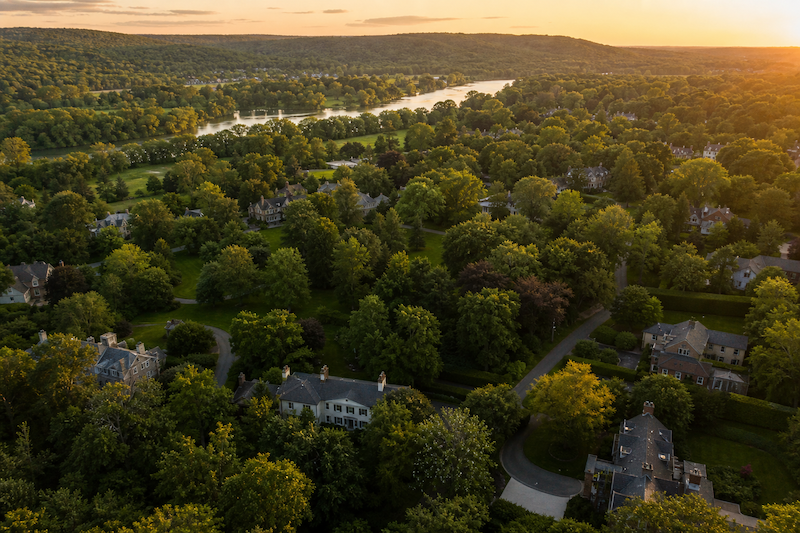 privacy, land, and an architectural character that new construction simply can't replicate.
How does Delaware's transfer tax work for a home sale in the Wilmington area?
Delaware imposes a state realty transfer tax on the value of property transferred, and local municipalities may add their own transfer tax on top of that. According to the Delaware Division of Revenue, the state-level tax rate is set by statute, but how costs are allocated between buyer and seller is commonly negotiated between the parties. Don't assume a fixed split. Confirm the exact figures and allocation in your contract, and review them with your attorney before closing.
Do sellers in Delaware have to complete a property disclosure form?
Yes. Delaware requires sellers of one-to-four family dwellings to provide a Seller's Disclosure of Real Property Condition Report. This is a legal requirement, not an optional courtesy. For estate-style or historic properties, the disclosure is especially worth scrutinizing because older homes can carry deferred maintenance, drainage issues, or system conditions that aren't immediately visible. Your buyer's agent and inspector should review the disclosure carefully alongside a thorough property inspection.
Is an attorney typically involved in a Delaware real estate closing?
Yes. Attorney involvement is common in Delaware real estate closings, which is different from states where a title company handles the entire process. For a high-value estate transaction in the Brandywine Valley, having an attorney who understands Delaware property law and the New Castle County recording process is particularly important. It's not a step to skip or minimize when you're buying a property with historic designations, easements, or complex title history.
What should buyers inspect when purchasing a historic estate in Wilmington or the Brandywine Valley?
A standard home inspection is a starting point, not a finish line. For historic estate properties, I recommend buyers also engage specialists for structural engineering (particularly for stone foundations), roofing systems, drainage and grading, HVAC, and any evidence of environmental concerns such as lead paint or underground oil storage tanks. Older properties carry older systems, and the cost of deferred maintenance on a large estate can be significant. Know what you're buying before you're committed to it.
Are there zoning or preservation restrictions on historic properties in the Brandywine Valley?
Some properties carry historic designations, deed restrictions, or conservation easements that limit what future owners can alter, demolish, or build. These restrictions vary by property and are recorded in the county land records. For buyers, this requires a title search and a review of any encumbrances before making an offer. A Delaware real estate attorney can help you understand what's recorded against a specific parcel and what it means for your ownership plans.
Brandywine Valley estate properties represent one of Delaware's most distinctive and durable luxury markets. The combination of historic architecture, land, and proximity to Wilmington and the broader mid-Atlantic corridor creates a value proposition that's genuinely hard to find anywhere else on the East Coast. If you're ready to explore what's available or want a realistic picture of what your budget can reach in this market, I'd be glad to walk you through it.
Request your free home valuation or market consultation here.
Equal Housing Opportunity. This article is provided for general informational purposes only and does not constitute legal, tax, or financial advice. Readers should confirm all transaction costs, tax obligations, and legal requirements with their own attorney, tax advisor, lender, or closing officer.
 © BRIGHT, All Rights Reserved
